16
Jul
Win big: expert insights into the psychology of gambling
Understanding the Allure of the Casino Environment
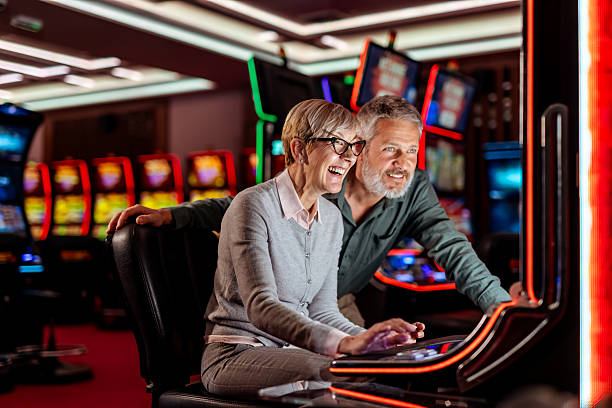
Casinos are meticulously designed spaces that leverage psychological principles to enhance the gambling experience and encourage extended play. From the visual stimuli of flashing lights and vibrant colours to the ambient sounds of slot machines and cheering patrons, every element is crafted to create an immersive and exciting atmosphere. This sensory overload can distract from the passage of time and heighten feelings of anticipation and potential reward, drawing individuals deeper into the gaming floor, and it’s here that many seek the thrill of a win there casino experience.

The architecture of casinos often deliberately lacks natural light and clear exit points, contributing to a disorienting effect that further detaches players from the outside world. This controlled environment fosters a sense of being in a unique reality where the usual rules of time and consequence are suspended, making it easier for individuals to become absorbed in the pursuit of a win.
The Cognitive Biases That Fuel Gambling
Gambling behaviour is significantly influenced by a range of cognitive biases. The “illusion of control” is a common one, where players believe they can influence the outcome of random events, such as in roulette or card games, through skill or strategy. This misplaced confidence can lead to riskier bets and a prolonged engagement with the activity.
Another prevalent bias is the “gambler’s fallacy,” the mistaken belief that if something happens more frequently than normal during some period, it will happen less frequently in the future, or that past independent events will affect future ones. For example, believing a certain number is “due” to hit in roulette after a long streak of other numbers is a classic manifestation of this bias.
The Role of Dopamine and Reward Pathways
The brain’s reward system plays a crucial role in the psychology of gambling. The anticipation of a win triggers the release of dopamine, a neurotransmitter associated with pleasure and motivation. This dopamine rush can be highly addictive, creating a powerful incentive to repeat the behaviour that led to the reward, even if the actual wins are infrequent.
The intermittent nature of rewards in gambling is particularly effective in reinforcing behaviour. Unlike predictable rewards, the unpredictable timing and magnitude of wins create a stronger, more persistent craving. This “variable ratio reinforcement schedule” is notoriously difficult to break, making gambling a compelling activity for many.
Navigating the Psychological Landscape of Risk and Reward
Understanding the interplay of risk and reward is central to comprehending why people gamble. The potential for a significant financial gain, however improbable, can be incredibly attractive. This allure is amplified by the thrill of the unknown and the excitement of the gamble itself, regardless of the financial outcome.
Individuals often weigh the perceived benefits against the perceived risks. However, psychological factors can distort this assessment, leading to an underestimation of risk and an overestimation of potential rewards. This skewed perception is a key driver of continued gambling behaviour, even when facing considerable losses.
Win-There: Supporting Responsible Gambling Engagement
Organizations like Win-There are dedicated to providing resources and support for individuals who may be struggling with gambling. Their platform offers valuable information and guidance, aiming to foster a healthier relationship with gambling activities by highlighting the psychological aspects involved. By educating visitors about the inherent risks and the psychological mechanisms at play, Win-There empowers individuals to make more informed decisions.
The focus at Win-There is on promoting awareness and providing avenues for help. They understand that the excitement and allure of casinos can be powerful, and their mission is to ensure that engagement with these activities remains a choice made with full understanding, offering support for those who need it to navigate the complexities of gambling psychology responsibly.