26
Aug
Can luck really influence your success in casinos?
The Role of Luck in Gambling
Luck is often viewed as a pivotal factor in the realm of gambling, particularly within casino settings. Players frequently attribute their victories or defeats to luck, believing that chance significantly impacts their overall success, especially when they make a quick withdrawal through a casino instant withdrawal method. This belief can create a psychological cycle where a player feels euphoric after a series of wins, crediting their fortune to luck and consequently believing they can replicate that success. However, luck is inherently erratic and unpredictable, causing varied experiences for players across different sessions and games.
While luck undeniably plays a role in short-term results in games like slot machines and roulette, it is crucial to look beyond mere chance. Success in casinos is not merely a matter of luck; it involves strategic decision-making, game selection, and a thorough understanding of the odds involved. For example, table games such as poker and blackjack require a combination of skill and strategy, allowing players to influence the outcomes based on their decisions rather than relying solely on luck. This distinction highlights the importance of recognizing the interplay between luck and skill for aspiring gamblers seeking long-term success.
Many players tend to overestimate the impact of luck, especially when engaging in high-stakes games. This overconfidence can lead to poor decision-making, resulting in significant financial losses. Acknowledging that while luck can sway immediate game results, it should not eclipse the critical roles of skill, strategy, and responsible gambling practices is vital for achieving sustained success in casinos. Players should cultivate a balanced perspective that integrates both elements to navigate the unpredictable landscape of gambling effectively.
The Psychology of Luck in Gambling
The psychology surrounding luck plays an integral role in how players engage with gambling. Cognitive biases often lead individuals to perceive patterns within randomness, creating a misleading sense of control over their luck. For instance, a gambler experiencing a streak of wins might believe they are on a “hot streak,” attributing their success to their skill level rather than acknowledging the inherent randomness of the game. This misconception can significantly influence their betting behavior, leading them to wager larger amounts in hopes of extending their winning series.
Moreover, gamblers frequently engage in superstitious behaviors, believing that certain rituals or actions can alter their luck. Whether it’s wearing a cherished item, carrying a lucky charm, or sitting in a specific location at the table, these practices reflect a desire to exert control over an otherwise uncontrollable situation. While such behaviors do not objectively affect the odds of winning, they can enhance a player’s confidence, potentially leading to increased participation in gambling activities. This psychological reinforcement can create an environment where players feel more empowered, despite the randomness of the outcomes.
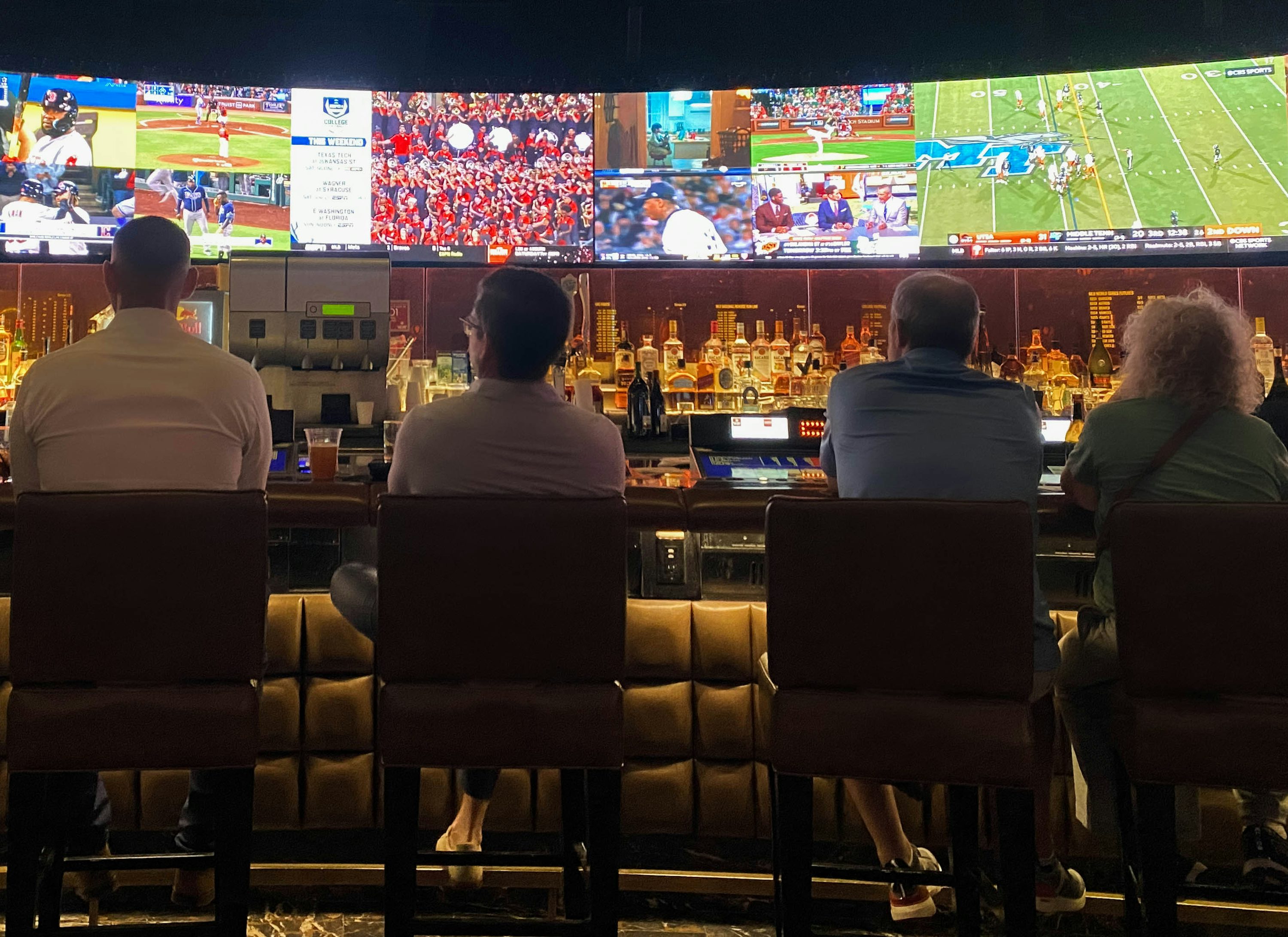
Understanding the psychological dimensions of luck can assist players in developing a more rational approach to gambling. By differentiating between genuine skill and mere chance, players can better manage their expectations and make informed decisions. This understanding ultimately enhances the gambling experience, allowing players to enjoy their time at casinos while reducing the risks associated with over-reliance on luck.
Strategies to Maximize Success
To effectively navigate the unpredictable world of casinos, players can adopt strategies that extend beyond the realm of luck. An in-depth understanding of the nuances associated with various games is paramount for making informed choices. For instance, in games like blackjack, players can implement strategies such as card counting, which helps them gain a mathematical edge over the house. Conversely, in slot machines, being aware of payout percentages can guide players toward selecting machines that offer better odds, thereby increasing their chances of achieving success.
Another fundamental strategy involves sound bankroll management, which is essential for ensuring long-term success in casinos. Establishing spending limits can guard against impulsive decisions driven by fluctuating emotions, especially during both winning and losing streaks. A disciplined gambling approach, characterized by adherence to pre-set budgets, fosters a more sustainable experience. By effectively managing their financial resources, players can mitigate the risks associated with gambling and prolong their gameplay, consequently increasing their potential for success.
Moreover, continuous education about games and the ever-evolving trends within the casino environment can significantly enhance a player’s chances. Participating in workshops, engaging with experienced players, or utilizing educational resources can provide valuable insights that elevate one’s gaming strategy. By marrying skill development with responsible gambling practices, individuals can relish the excitement of the casino while maximizing their opportunities for success, showcasing that while luck is a factor, preparation and strategy are equally essential.
The House Edge: Understanding Odds and Percentages
The concept of the house edge is fundamental in casino gaming, and it is imperative for every player to comprehend this principle. The house edge refers to the statistical advantage that the casino maintains over players in any given game. Understanding this concept is crucial as it informs players about their expected returns over time, enabling them to make more strategic decisions. For example, games like video poker and blackjack typically exhibit lower house edges compared to games like slots, meaning players have better odds when participating in the former.
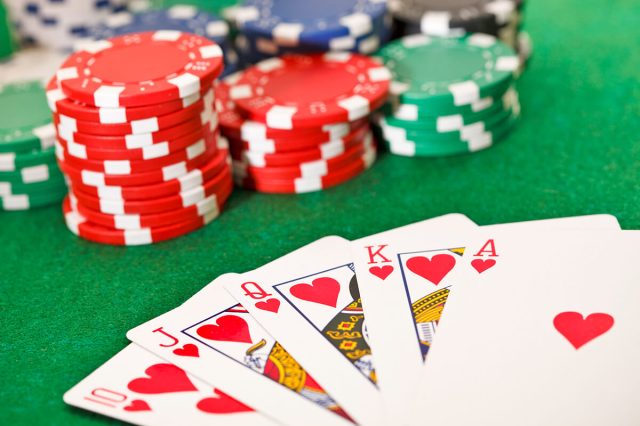
By analyzing the odds associated with each game, players can tailor their strategies to maximize their chances of winning. It is vital for gamblers to recognize that consistent success in casinos revolves around selecting games that align with their skill sets and comprehending the associated risks. By gravitating toward games that offer favorable odds and employing strategic gameplay, players can effectively diminish the reliance on luck in their overall casino experiences.
Additionally, grasping how different games calculate odds can empower players to make wiser choices. Some players may prefer games where they can exert influence over the outcome through skill rather than leaning solely on chance. By doing so, they not only enhance their gaming experience but may also shift the balance from luck to skill, rendering their time in the casino not only more enjoyable but also potentially more rewarding.
Concluding Thoughts on Luck and Success in Casinos
In conclusion, while luck undeniably plays a role in the world of casinos, approaching gambling with a balanced perspective is essential. Acknowledging that success does not solely hinge on chance allows players to develop strategies that minimize risks while maximizing enjoyment. By integrating knowledge of game strategies, managing budgets responsibly, and understanding the psychological aspects of luck, players can adeptly navigate the uncertainties inherent in gambling.
Incorporating skill-based strategies into a gambling approach can substantially mitigate reliance on luck. Players who prioritize understanding game mechanics, their odds, and emotional management can foster a more sustainable gambling experience. Although luck will always remain an element in casinos, players can take proactive measures to enhance their prospects for success over time.
Furthermore, visitors to casinos should bear in mind that the environment is crafted for entertainment, with elements of chance woven throughout. Success in this vibrant arena is often a blend of luck and informed decision-making. Therefore, being mindful of one’s approach to gambling can significantly influence outcomes and contribute to a more enjoyable and fulfilling experience overall.